
Nutrient Neutrality
What is Nutrient Neutrality? A Guide for Developers
Nutrient neutrality is a legal framework designed to protect England’s watercourses and wetland habitats from pollution.
Introduced by Natural England, these guidelines require that new residential developments must not emit more nutrient pollution from wastewater than the site’s previous land use. Planning permission cannot be granted without clear evidence that a development will achieve a net-zero impact on local water quality.
The Background: Why Was It Introduced?
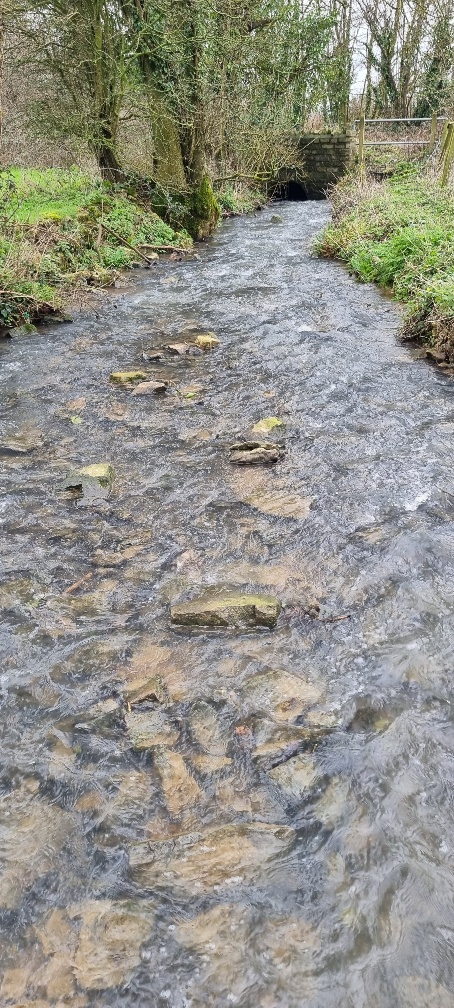
The framework follows the landmark "Dutch Nitrogen" European court ruling, which highlighted that many protected wetland sites were in an "unfavourable condition" due to high levels of nutrients—specifically phosphates and nitrates.
This pollution enters waterways through two primary sources:
- Agricultural runoff from fertilisers and livestock manure.
- Human wastewater and effluent from residential sewage systems.
What is Eutrophication?
When excess phosphates and nitrates enter freshwater habitats and estuaries, they cause eutrophication. The eutrophication process triggers rapid algal blooms that blanket the water's surface, blocking sunlight and starving the aquatic ecosystem of oxygen. As a result, fish, plants, and native biodiversity are choked out.
To protect these internationally important ecosystems (protected under the Conservation of Habitats and Species Regulations 2017 and Ramsar site designations), Local Planning Authorities (LPAs) must legally assess the environmental impacts of all new development wastewater.
Initially affecting 32 LPAs, the directive expanded to include dozens more councils, placing strict environmental constraints on housebuilders across large portions of England.
The Planning Challenge for Developers
According to the Home Builders Federation, over 120,000 new homes across England were blocked when the nutrient neutrality requirements were introduced.
While residential developments (housing, student accommodation, and care homes) are the main focus, tourist attractions and overnight visitor accommodation are also impacted.
How is the Nutrient Deficit Calculated?
Each affected LPA utilises a specific Nutrient Budget Calculator tailored to its regional river catchment area.
- The calculator uses estimated occupancy rates and water usage data to determine the development's projected nutrient discharge in kilograms per year (kg/year).
- This figure establishes the exact "nutrient budget" the developer must offset.
- To clear planning, developers must implement mitigation solutions that remain active in perpetuity (typically 80–120 years) to match the lifetime of the development.
Mitigation Pathways
Developers must either mitigate the nutrient load directly on the development site or offset it externally. Traditional mitigation methods include:
- Land fallowing (taking agricultural land out of production).
- Constructing dedicated wetlands or planting woodland to absorb nutrients.
- Installing advanced package treatment plants.
- Purchasing Nutrient Credits from an approved, legally secure offsetting scheme.
The Solution: Manor Farm (Brue & Axe Catchment)
Within Somerset Council's Brue and Axe River catchment, nutrient mitigation needs to be completed for an estimated 1,400 homes.
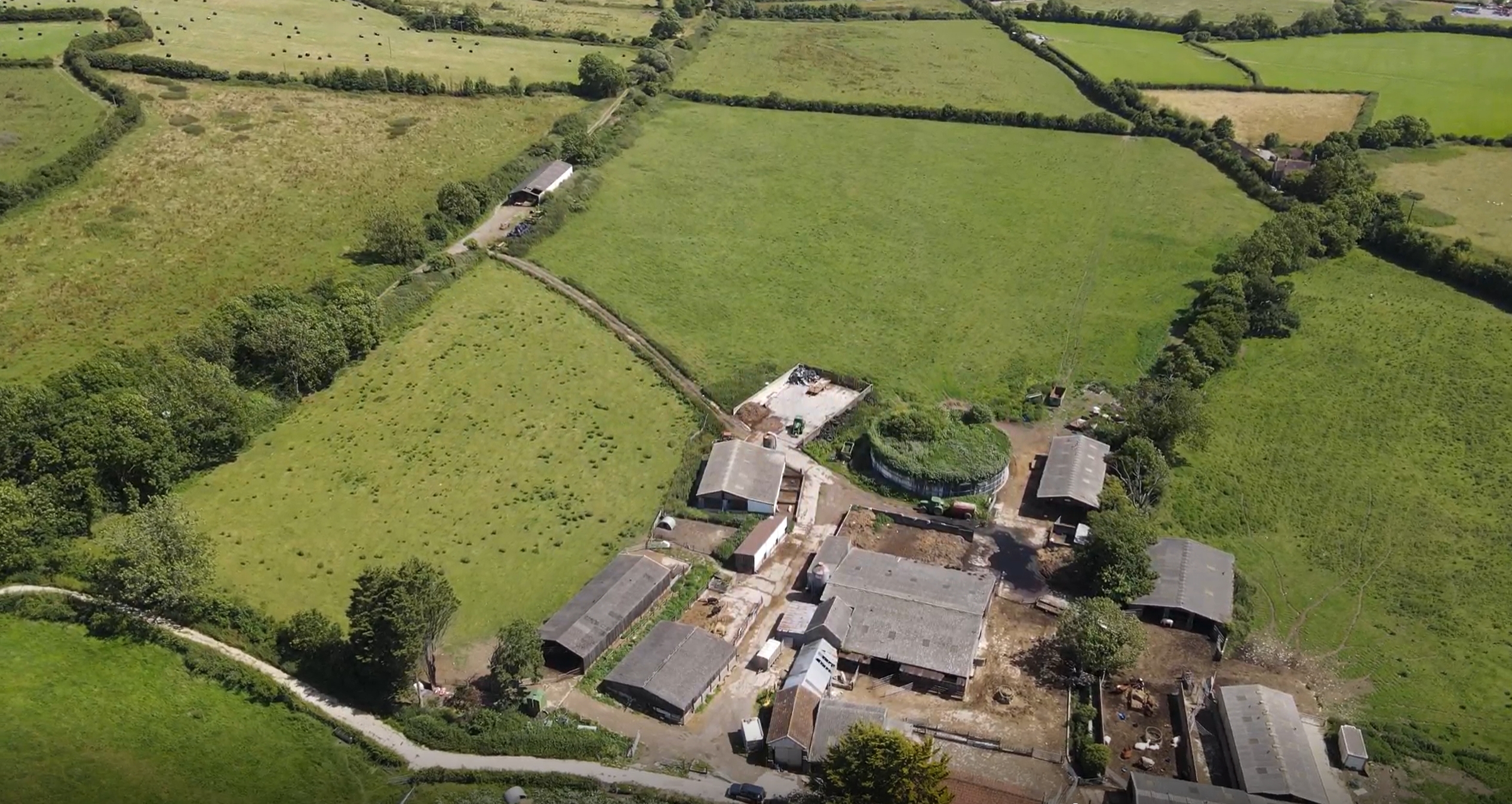
To solve this immediate planning bottleneck, BNG Partnership launched the Manor Farm Phosphate Mitigation Scheme in Prestleigh, Somerset.
Project Overview
- Status: Fully approved and registered scheme (secured in collaboration with Natural England and Somerset Council).
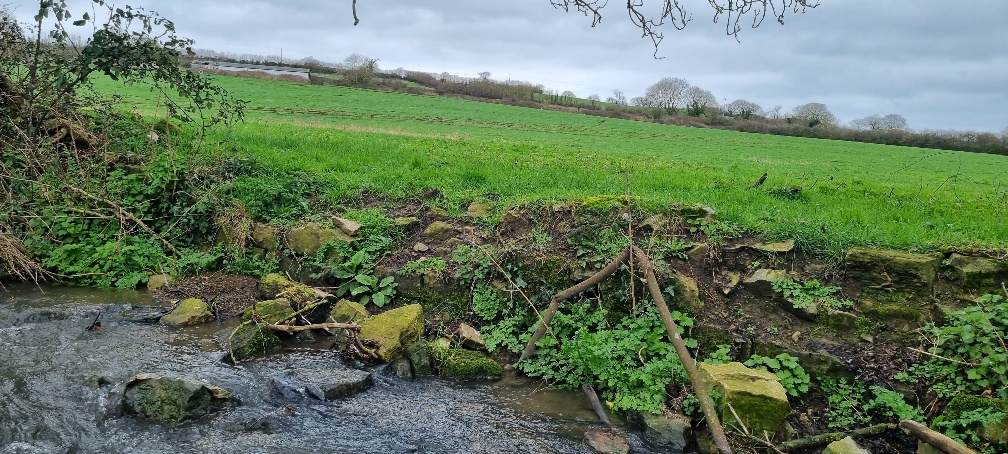
- The Site: Retired pastoral farmland, formerly used as a dairy and livestock operation.
- The Mechanism: By permanently ceasing livestock farming and transitioning the land use under an approved management plan, the project successfully stops agricultural runoff at the source.
- Credit Availability: The scheme generates 142.7 high-integrity phosphate credits (where 1kg of phosphate = 1 credit).
Unlocking Planning Approvals
Manor Farm is legally secured via a Section 106 agreement with Somerset Council, providing an approved, long-term offsetting route.
Because the scheme generates permanent, legally vetted credits, BNG Partnership can allocate offsets to projects of all scales—from single-dwelling custom builds to large-scale strategic housing developments. This high-integrity solution satisfies the LPA's strict environmental criteria, offsetting the project's calculated nutrient budget and providing a clear path to planning approval.
Need to Offset Your Project's Nutrient Budget?
If your development sits within Somerset or the wider Brue & Axe catchment, you must secure your nutrient mitigation before breaking ground. BNG Partnership has approved phosphate credits available immediately to unlock your planning application.
Contact our team today to discuss your nutrient calculator results or to secure the exact allocation of phosphate credits needed for your project.