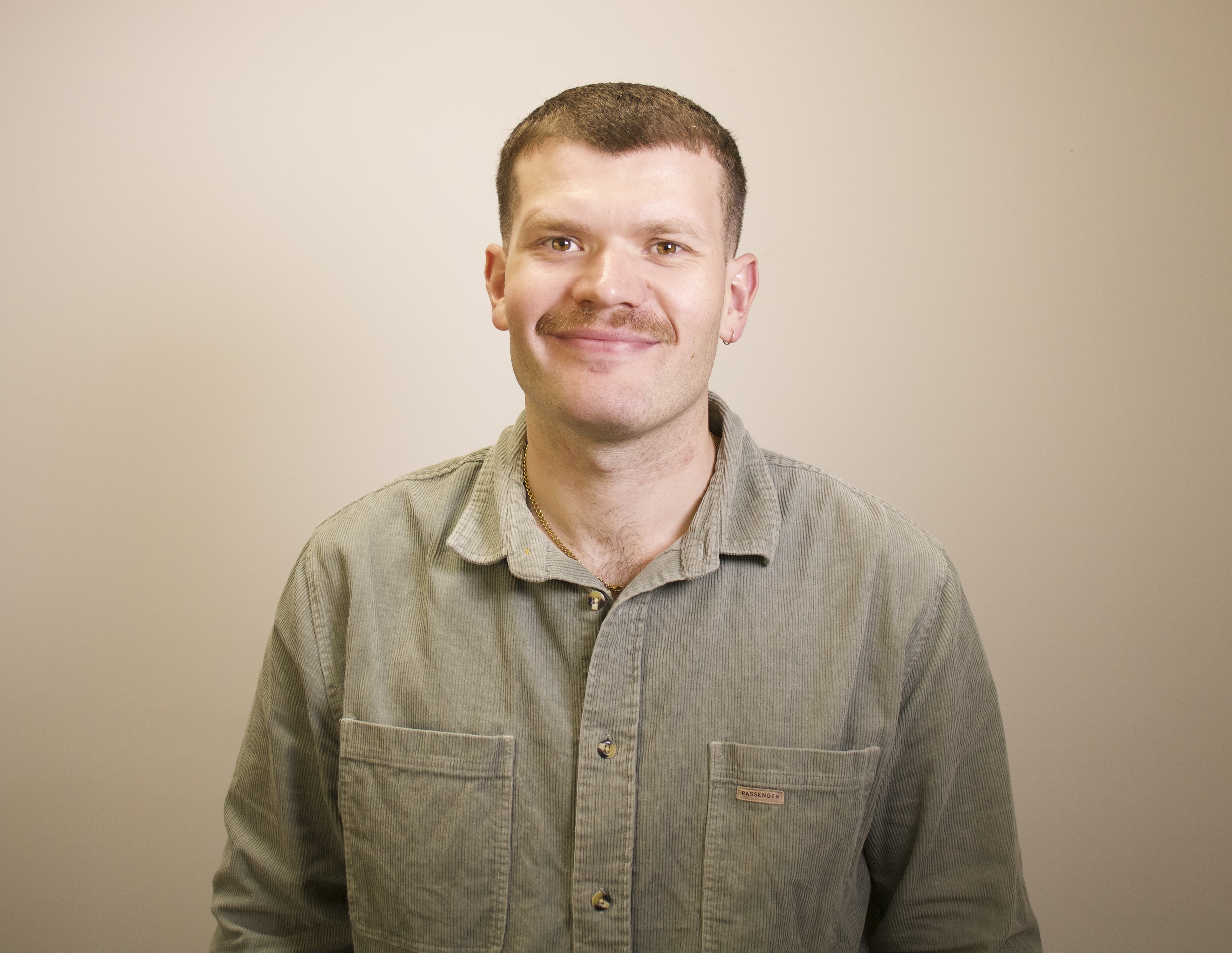
From Farming to BNG: An Interview with Angus
From Farming Roots to Biodiversity Net Gain: An Interview with Angus
About Angus Collett | Director, BNG Partnership
Rooted in generations of farming, Angus is driven by the potential for BNG to revitalise the agricultural industry. With a strong business background, he views biodiversity as a major growth sector for landowners who are ready to diversify. He is most excited about bridging the gap between the countryside and the public, ensuring that nature recovery is something everyone can experience firsthand.
The Company:
As a fourth-generation farming family, we understand the challenges of modern landownership. We founded BNG Partnership to provide a bridge between traditional agriculture and the new environmental economy. Our mission is to take the complexity out of BNG for landowners, handling everything from the initial setup and legal hurdles to finding developer customers and managing the site for its 30-year term.
In this interview with Head of Marketing Emily Dyson, Angus discusses how his agricultural roots shape our practical approach to nature recovery and why he believes BNG is the next great crop for the British farmer.
Emily: Let’s start at the beginning. Tell me a little bit about growing up on a farm and how you ended up here, in the world of Biodiversity Net Gain (BNG).
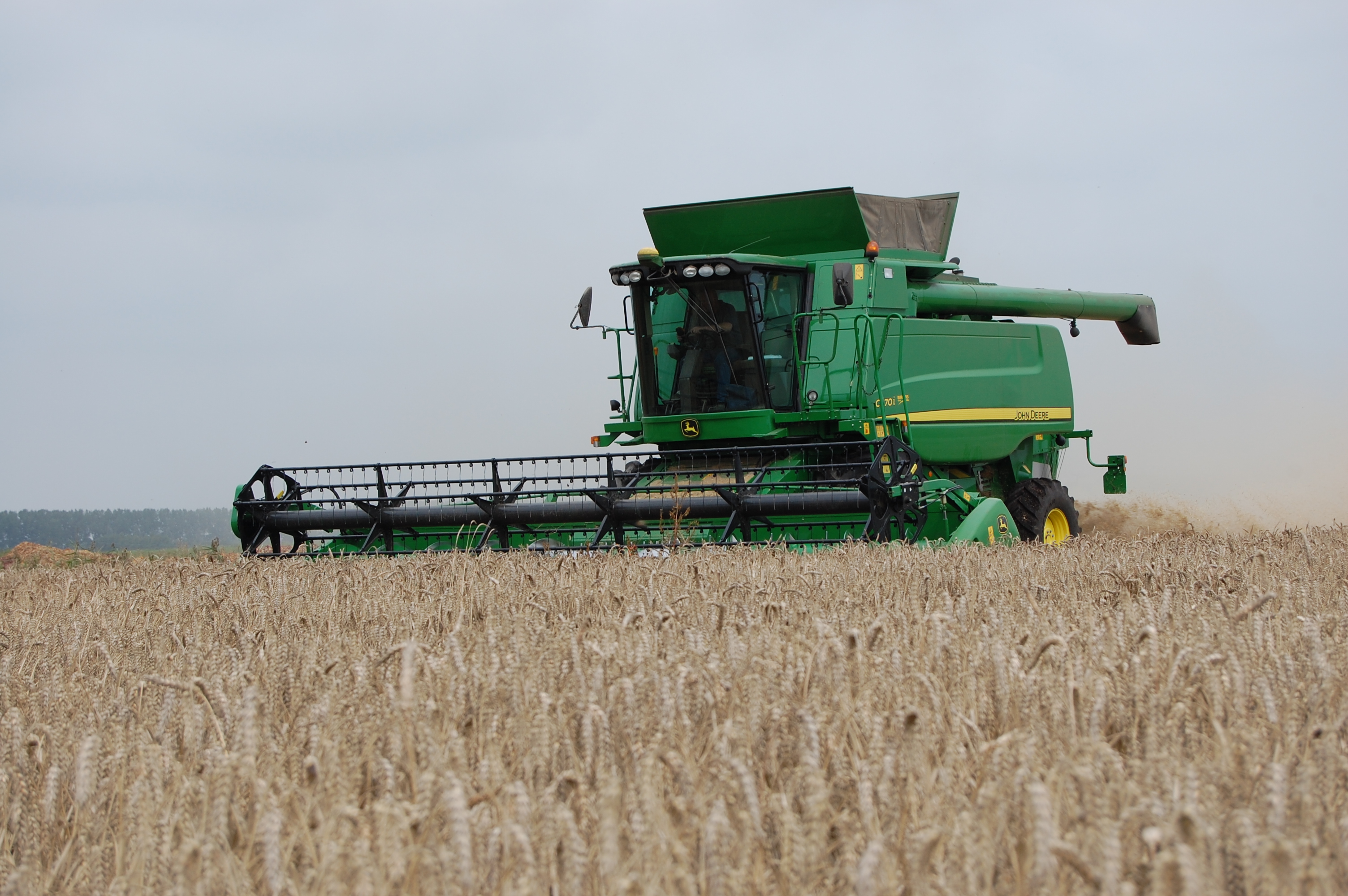
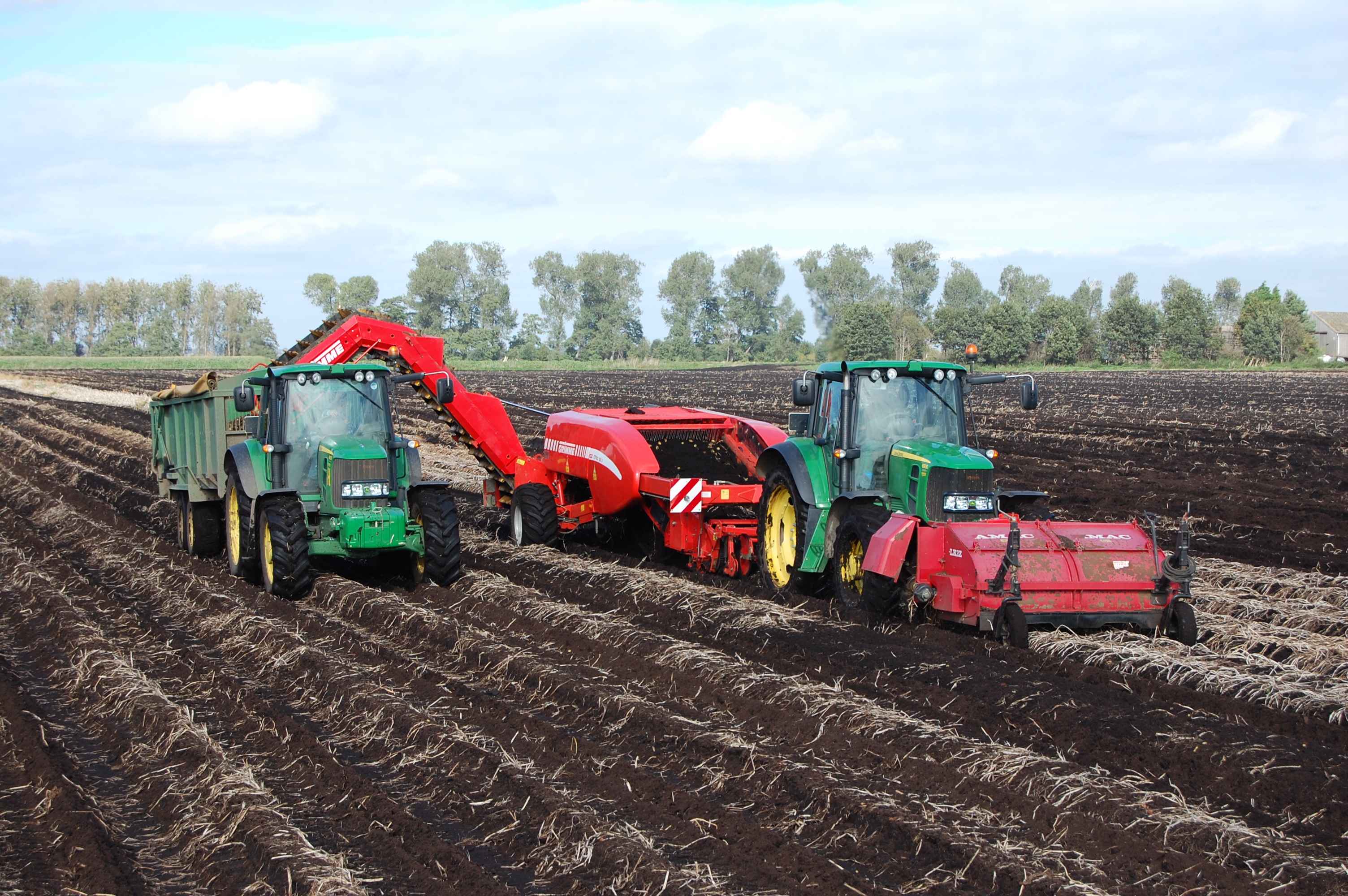
Angus: Growing up on the farm, I was the youngest of three brothers. We were always involved, but I’d say from about age 12 or 13, I started properly working on the farm. Before that, it was just tagging along with my family to see what was going on. By 14 or 15, I was driving tractors. Because my family farms onions and potatoes, a lot of the work revolved around irrigation and keeping plants watered, as well as helping with the grain harvest during the summers.
Emily: Looking at the industry now, does your landowner background make us different from more ecologist-run BNG firms?
Angus: Absolutely. The main advantage is our experience managing vast areas of land. I think some firms look at management on a small, theoretical scale. Because we have experience managing thousands of acres, we have the infrastructure, the equipment, and the logistical expertise—like knowing how to coordinate a contractor or get a sprayer from one end of the country to the other.
It’s also about balancing the nice to haves with the must haves. We have a very practical, solid foundation that is unmatched in this space. For us, BNG is a slight pivot from managing crops like potatoes; for those who haven’t managed land on a large scale, trying to set up that operational side from scratch is a beast in itself.
Emily: What are the core differences between managing a generic arable crop and a BNG site?
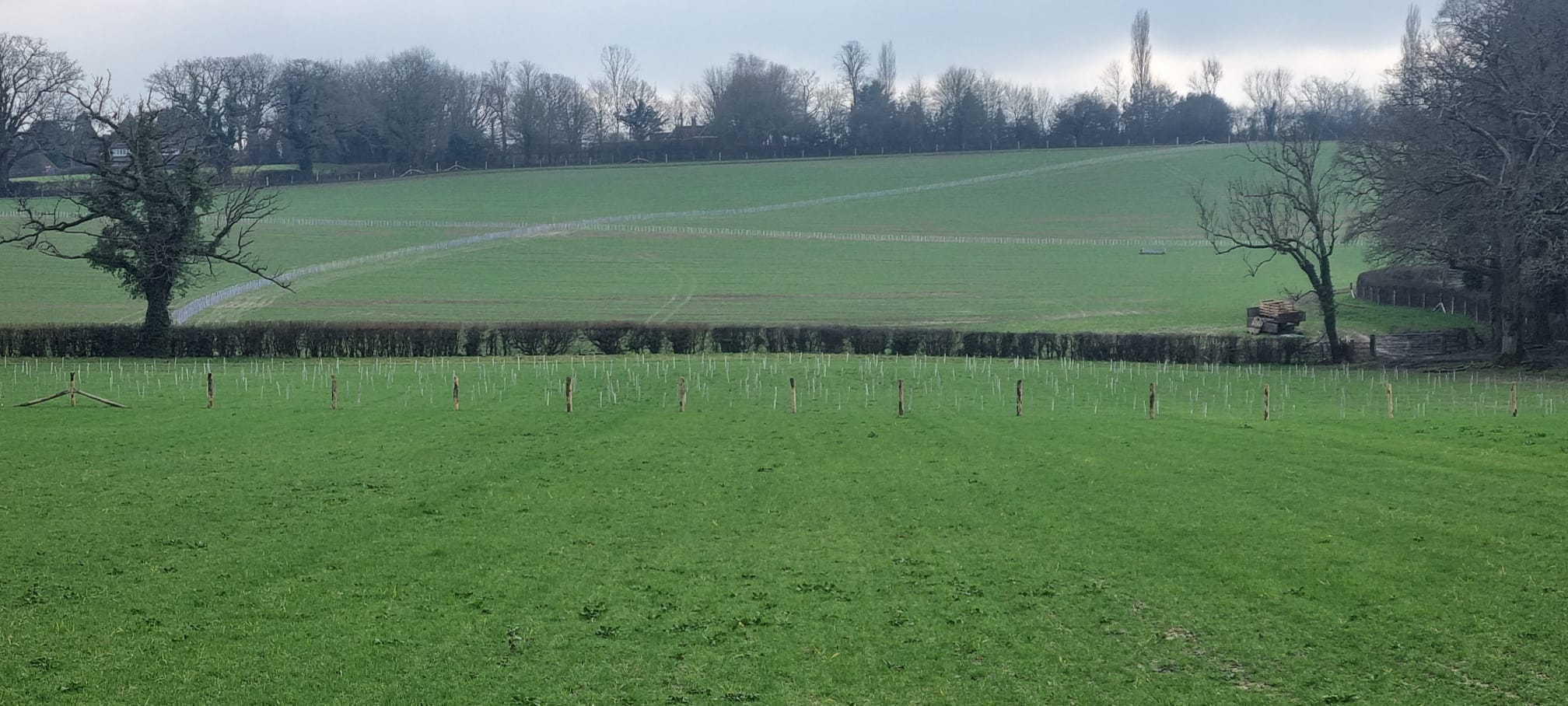
Angus: They require different expertise, but the biggest difference is the level of attention in the first three to five years. Implementing a habitat is resource heavy to begin with. As the habitats establish and thrive, the intensity shifts. With crops, it’s a repetitive cycle every year, whereas with BNG, we need more eyes on the ground in those early years to ensure success. That said, there are similarities; both involve periods of being flat out, followed by quieter times where you let nature do its thing.
Emily: As farming evolves from traditional methods to this integrated idea of BNG and landowning, how do you see those two things working together?
Angus: I think they work really nicely together. BNG offers a stable, long term source of income compared to the volatility of traditional farming. It’s not an either or situation; it needs to be a combination.
Many landowners I speak to have parcels of land that haven't been profitable for a decade. We aren’t talking about taking over their most effective arable fields. We can work with 5, 10, or 30 acres to create those corridors that link habitats together. It’s essentially introducing another crop that they haven't farmed before.
Emily: You mentioned that climate change will inevitably affect these habitats. Are you expecting to see different planting strategies in 20 years?
Angus: 100%. We’ll definitely be doing things differently in 10 or 15 years, and technology will help us adapt. We are already looking at, and we have to manage for it—sometimes that means being flexible if a drought hits. We need to act relatively quickly to stop things from declining further.
Emily: Let’s talk about success. What would you have to see on one of our sites to know we’ve truly done it?
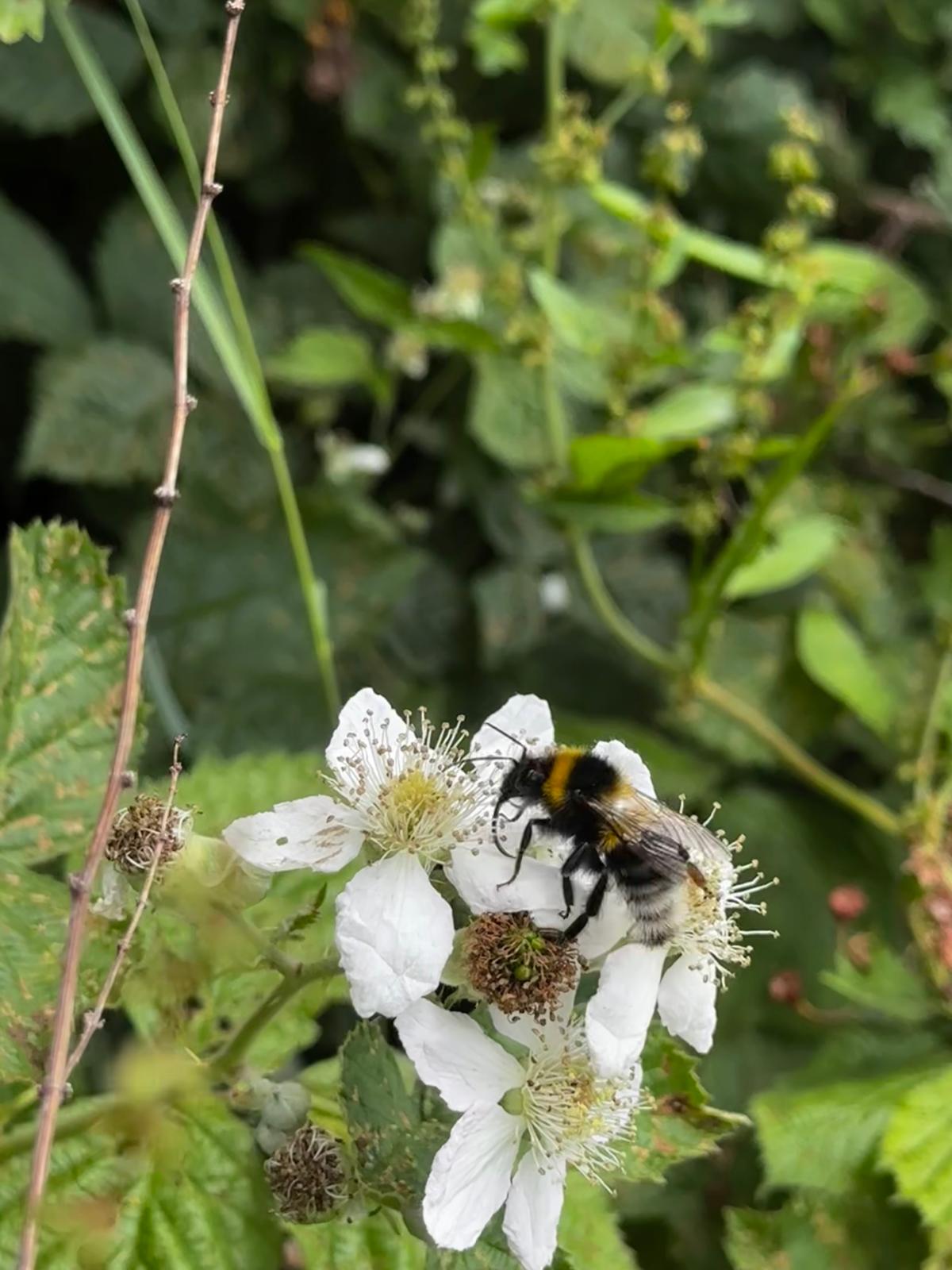
Angus: For me, it comes down to accessibility and people. Obviously, the species—the birds, butterflies, and bees—are a massive indicator of success. I’d love to see beehives, and I’d love to see the return of species that are currently disappearing.
But success is also about opening these spaces up to the public. Nature should not be a destination you have to pay for or travel three hours to reach. Biodiversity is best when it is part of everyday life; the kind of place you encounter on your drive home from the shop. If we can make these sites places where people can walk, enjoy free space, and understand why biodiversity matters, that’s the real win.
Emily: If you could say one thing to a landowner who has a spare piece of land and is curious about BNG, what would it be?
Angus: I’d say it’s definitely worth a conversation. There’s a lot of noise out there, but it is a viable, long term opportunity, and it’s backed by current government policy. Proceed with caution, but be open to doing something less traditional. And remember, we are practising what we preach. We aren’t just advising others to do it; we are doing it on our own land, at our own risk. We’ve already gone through the process, and we understand the realities. We’re in this for the long haul.
Building Community Through Nature
At BNG Partnership, we believe that people only truly understand the purpose of biodiversity when they are part of it. Our goal is to create thriving habitats that do more than just meet a metric; they build community. By opening our sites to the public and making nature accessible, we ensure that BNG delivers a lasting legacy for both the environment and the people who live alongside it.
Our approach to Biodiversity Net Gain is not just theoretical; it is built on a foundation of practical land management and a deep-seated commitment to the farming community.
Interested in diversifying your land or securing BNG units?
Speak to our team today to find out how BNG Partnership can help you manage the transition to high quality habitat banking.