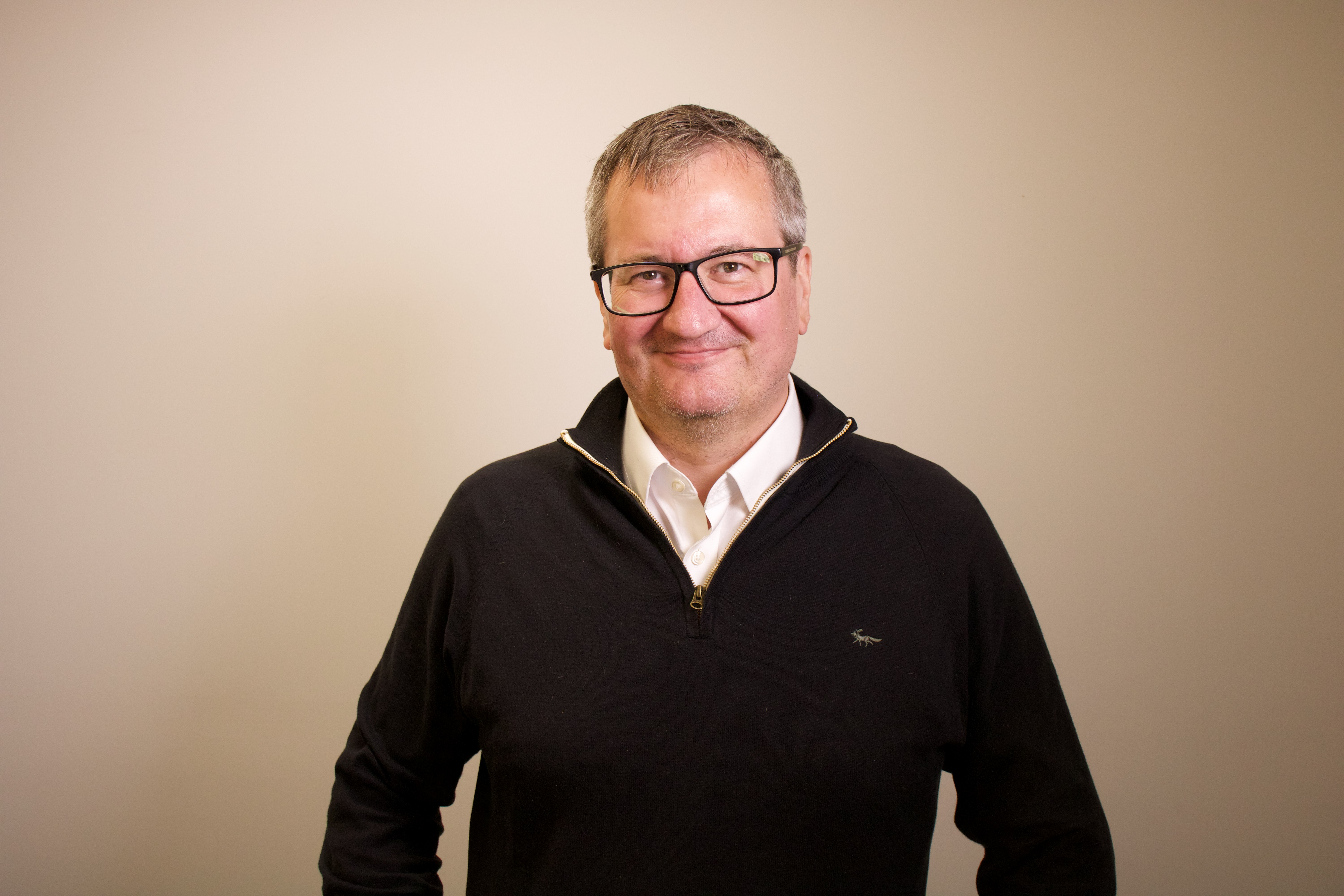
Planning for Nature: A Conversation with David Mead
Planning for Nature: A Conversation with David Mead
David Mead | Founder and Planning Director, BNG Partnership
With over 30 years of experience in the UK planning system, David Mead is the strategic engine behind BNG Partnership. Having run a successful planning consultancy for decades, he understands the intricate web of development from initial site promotion to the adrenaline of a public inquiry. Today, David uses that deep seated knowledge to ensure that our habitat banks are not just ecologically sound, but also perfectly aligned with the complex legal and regulatory requirements of the modern developer.
Emily: Tell me about your background – how did you end up at BNG Partnership?
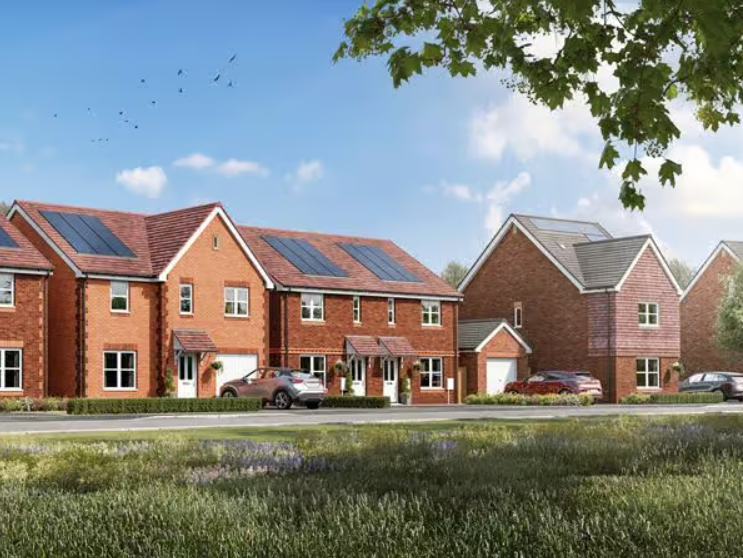
David: I ran a planning consultancy up until five years ago. I came across an article about BNG in a planning magazine and it caught my attention. It was an interesting concept, but I kept an eye on it for a year or two to see if it could provide a real opportunity.
Once I got my head around the concept of BNG, I realised that it could cause another layer of delays and complications in the planning process, and therefore a problem to be solved. As an experienced planning consultant, I could see where the pitfalls were likely to be, so set up BNG Partnership to guide developers through the process as painlessly as possible.
Emily: What did you do as a planning consultant?
David: Basically, we were employed by landowners and developers to help them get planning permissions to build things. It’s got to the point that I know the planning system pretty much inside out. This meant that I managed to build up good relationships with landowners, developers and local authorities, giving us a good foundation on which to build the BNG business.
Emily: Moving on to the practical side, how do you approach different stages of the planning process?
David: It’s about managing expectations. There are probably 15 to 20 situations you can find yourself in, and each one affects who is buying BNG units. Knowing that allows you to plan ahead and have proper conversations with people. We understand those unique needs so we can provide the advice our customers need when they need it.
You also have to understand the different players – the difference between an option agreement and a promotion agreement, for example. Those agreements can be at all sorts of different stages: an outline application or a detailed one, or with three months left or five years left. It’s about understanding the specific role of the planner or agent promoting the site for the landowner.
Emily: What made you want to go into planning in the first place?
David: When I was growing up, my stepdad was running a planning consultancy, so I started my job there. I’m not sure I had a grand master plan at the time, but I stayed because I was good at it. I’ve always been good at retaining information – regs, acts, and policies.
In the 90s, it was quite different; you had to go to councils, pick up a copy of the local plan, and read it in reception, making copious notes. No camera phones then! I think I really enjoyed the process, though. I used to take my own children, Emily and Christopher, out to work with me when they were little. We’d spend weekends driving around looking at sites. I think that’s where the habit started; even now, I drive through villages and find myself thinking, “I got that planning permission!”
Emily: Looking back, what did you enjoy most about your planning career?
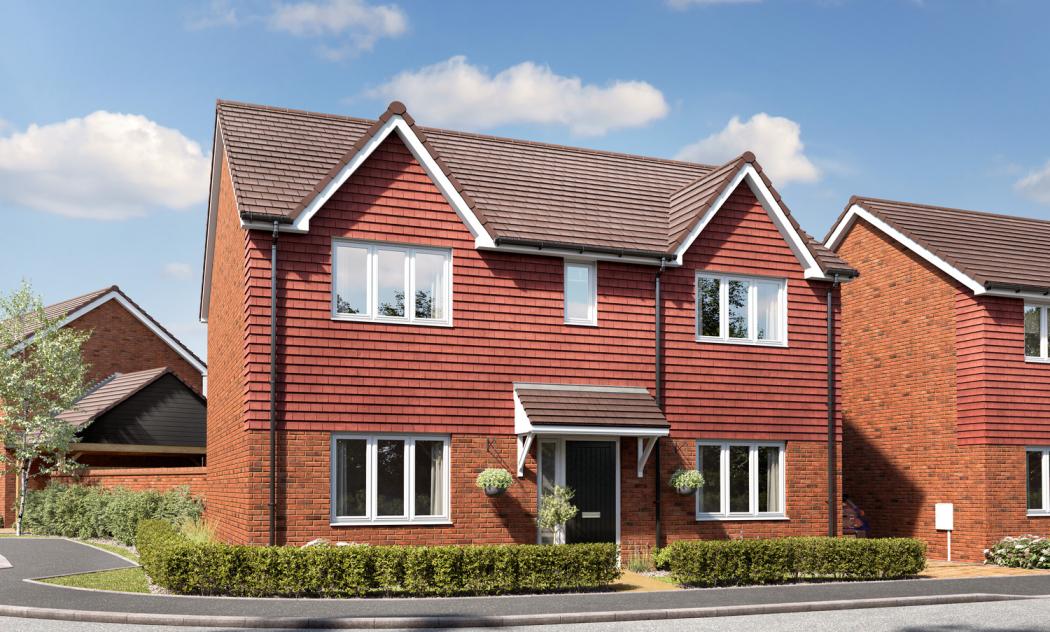
David: Winning appeals. I used to enjoy standing up at hearings and public inquiries. The adrenaline kicks in. I was always terrified beforehand. I still get stage fright now when standing up at a planning committee, and I’m 54 years old! But once you’re there, you know the councillors, you know the agenda, and you know what they are going to say. You have to put that amount of effort in to win; you can't just read off a piece of paper. It’s the same now when we present to developers. You have to have the answers. Or at least, know where to find them.
Emily: What does a day at BNG Partnership look like for you?
David: I spend a lot of time looking at planning applications and legal agreements, trying to understand where any development sits in the process. The planning process is complicated, so a full understanding of the context of a specific development is required to predict the issues they are likely to have with BNG. This means we can be flexible with timing, which can vary wildly across developments.
By the time they start work, it’s a problem that’s already been sorted
I speak the same language as our developer customers. I spend a lot of my time navigating the Section 106 agreements and legal frameworks that secure our habitat banks. Because I have been on the other side of the fence, I can anticipate the hurdles a developer will face before they even encounter them. I make sure our units are legally robust and that the discharge of BNG conditions is as seamless as possible for the developer and the local authority. I am essentially the bridge between the ecological work on the ground and legal compliance in the planning office.
Emily: Your work isn't just on the development side. What does setting up habitat banks involve?
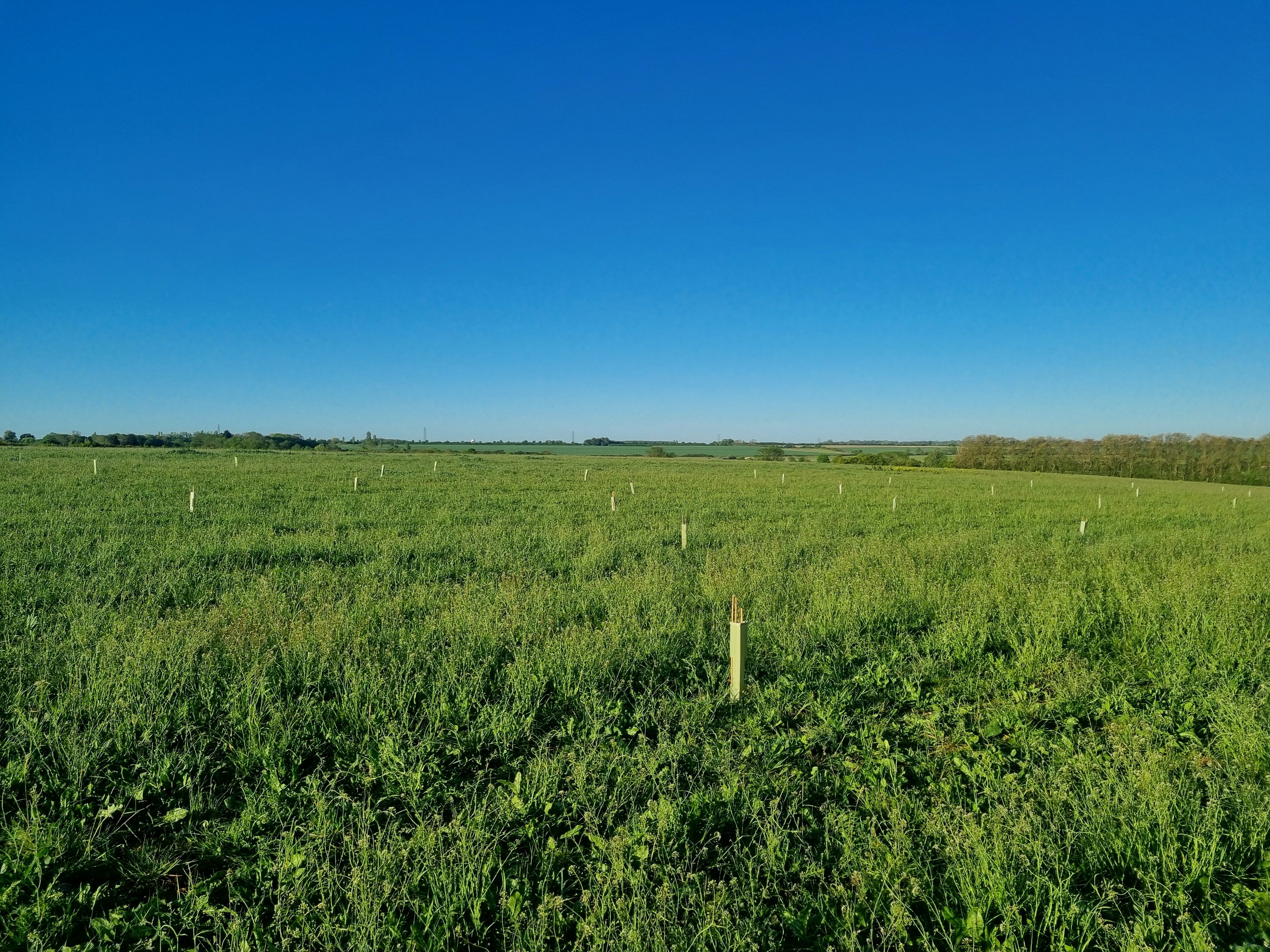
Creation of habitat banks isn’t random, it’s strategic. I work with my strong network of developers to identify where there will be demand for habitat units in the short to medium term. We have an experienced in-house land management and trusted external partners, giving us the flexibility to create high-quality habitat banks wherever they are needed.
Emily: In our habitat banks, what do you want to see to feel like we’ve done what we set out to do?
David: Leaves on trees, blossom. I know it sounds obvious, but when you go there and see that, it changes the way you look at the site. Because we’re doing this at scale, it isn't just an isolated hedgerow. It has real impact! That’s something you can be proud of.
Emily: Is there a particular habitat bank you want to see most?
David: I like all of them because I found them all, so I’m quite invested. Boxworth means a lot, probably because I live so close to it. But Stockbridge is beautiful when you’re there, and Aldwincle is massive. I’ve even joked that I might have my ashes scattered at Boxworth!
The BNG Partnership Advantage
The BNG Partnership team’s experience and enthusiasm bridges the gap between practical land management and the complex requirements of the planning system.
Whether you are a landowner or a developer needing to navigate Biodiversity Net Gain, David and the team provide the technical certainty you need to move forward. By combining 30 years of planning expertise with a hands-on commitment to land stewardship, we turn environmental obligations into thriving assets.
Ready to discuss your site’s BNG potential? Speak to David and the Planning Team to find out how we can streamline your path to BNG discharge.