
BNG Compliance Guide for NSIPs

BNG Compliance Guide for NSIPs
The regulatory landscape for major infrastructure is shifting. Following updates from Defra and the final biodiversity gain statements laid in Parliament, the timeline is officially confirmed: mandatory Biodiversity Net Gain (BNG) applies to all Nationally Significant Infrastructure Projects (NSIPs) in England starting 2 November 2026.

Any project submitted for a Development Consent Order (DCO) on or after this date must demonstrate how it will achieve a minimum 10% biodiversity uplift. However, while the core 10% metric matches the rules applied to traditional housing developments under the Town and Country Planning Act (TCPA), the framework for major infrastructure includes several tailored, developer-friendly modifications.
Key Rules: How Infrastructure BNG Differs from Standard Planning
Major infrastructure projects face distinct spatial and technical challenges compared to traditional housing developments. To address this, the government has introduced tailored rules designed to keep complex schemes moving forward:
1. A Single, Consistent 10% Framework
There are no sector-specific exemptions or voluntary tiered targets. Whether your project is in transport, nuclear energy, renewables, water management, or grid transmission, every English onshore NSIP down to the mean low-water mark operates under the exact same 10% statutory metric. This uniform framework provides clear commercial certainty across the supply chain.
2. The "BNG Boundary" Rule
In early consultations, it was proposed that the 10% net gain baseline would be calculated using all habitats within a project’s extensive Order Limits. Fortunately, the final framework walks this back to protect linear projects.
Unimpacted habitats do not need to be included in your BNG baseline. Instead, the 10% requirement applies only to a smaller BNG Boundary. This boundary consists of:
- Land directly impacted (both temporarily and permanently) by construction.
- Any onsite land specifically used to generate biodiversity gains.
For expansive rail, road, or grid transmission projects, this rule drastically reduces the volume of offsite units you need to procure.
3. Immediate Offsite Flexibility
Under the standard regime, the 'biodiversity gain hierarchy' prioritises on-site delivery, with developers expected to look on-site before turning to off-site units. For NSIPs this hierarchy still applies, but more flexibly: rather than having to exhaust every on-site option first, promoters can rely on off-site delivery earlier where it suits the project's engineering and operational constraints. Statutory credits remain the last resort.
How the NSIP BNG Planning Workflow Works

Submitting a fully finalised BNG plan alongside a massive DCO application is an impractical administrative burden. The framework accounts for this by allowing a phased approach:
- DCO Application Stage: Promoters submit an outline biodiversity gain plan and a detailed BNG boundary plan mapping the impacted habitats.
- Pre-Commencement Stage: A detailed or phased biodiversity gain plan must be submitted and approved by the relevant authority before actual construction can begin on that specific phase.
How BNG Partnership Streamlines Your NSIP Compliance
Infrastructure builders excel at steel, concrete, and complex logistics, not necessarily 30-year habitat management. BNG Partnership bridges that gap by combining robust planning compliance with a century of practical farming heritage.
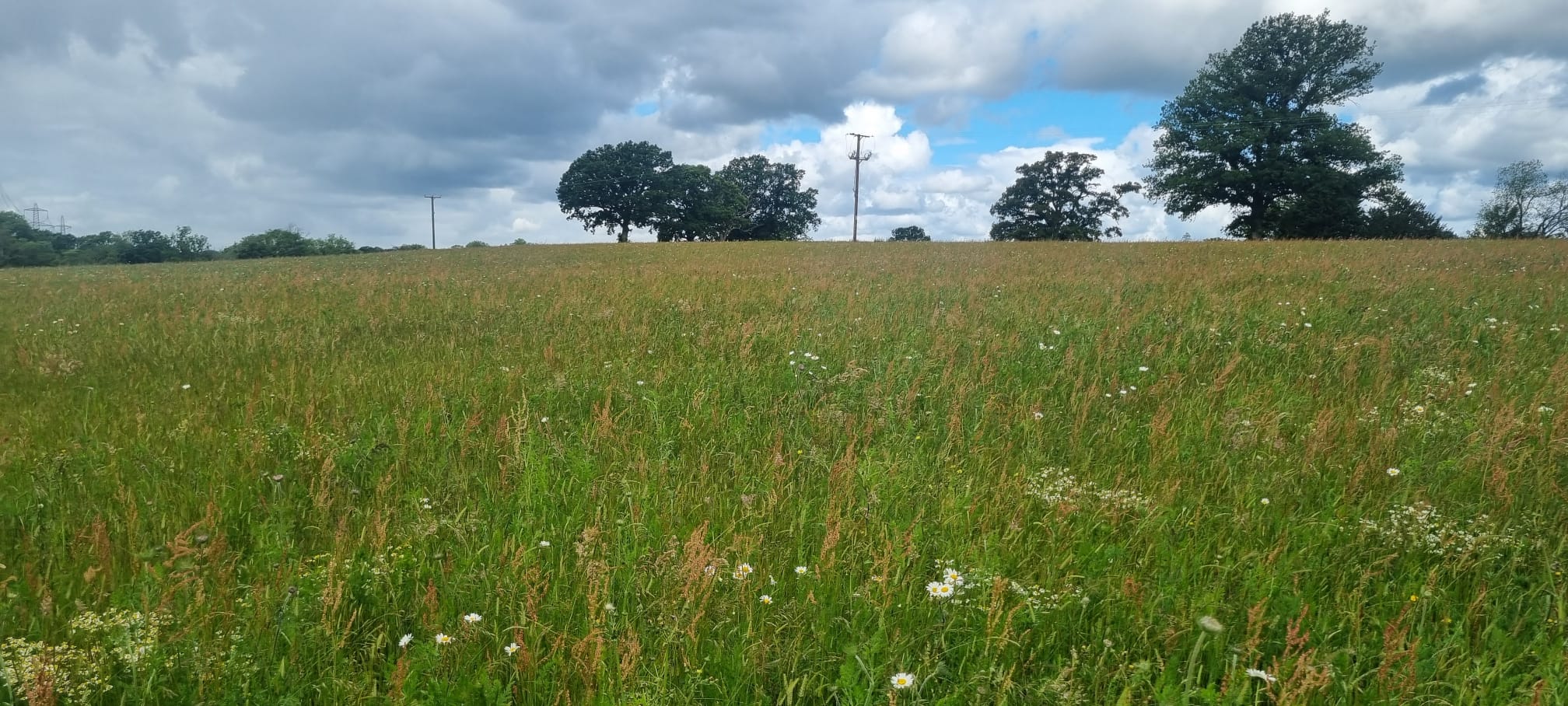
We provide a low-effort, low-stress process to handle your offsite requirements from start to finish:
- End-to-End Planning Support: We handle the technical paperwork, baseline mapping, and metric alignments, ensuring your outline biodiversity gain plans satisfy inspectors perfectly.
- Large-Scale Unit Delivery: Because we come from a commercial farming background, scalability is in our DNA. We do not just manage small patches of grass; we work across hundreds of hectares. Our expansive network of legally secured, registered habitat banks acts as massive, connected wildlife havens ready for immediate unit allocation.
- 30-Year Risk Mitigation: We own the land, the heavy machinery, and the practical knowledge needed to manage these habitats securely for the mandatory 30-year term, fully protecting your project from long-term compliance risks.
The November deadline will arrive quickly, and early-stage mapping is critical to keeping your submission timelines on track.
Contact BNG Partnership today to discuss your NSIP pipeline and find out how our combined planning and land management expertise can streamline your approval process.